ChatGPT Ads: A Marketer’s Guide for Measurement, Testing, Creative QA, and Brand Safety
.webp)
ChatGPT ads create a new marketing environment where the ad’s context is conversational and shaped by the user’s prompt, not a stable feed or keyword results page. That makes measurement noisier, increases the risk of mismatched context, and raises the importance of brand-safety rules built for “prompt adjacency.” For early pilots, prioritize incrementality-first testing with baselines and holdouts instead of relying only on platform-reported attribution. Treat chatbot ads as a distinct reporting channel, and use external QA and logging to verify what ran, where it appeared, and how it rendered in real chat flows.
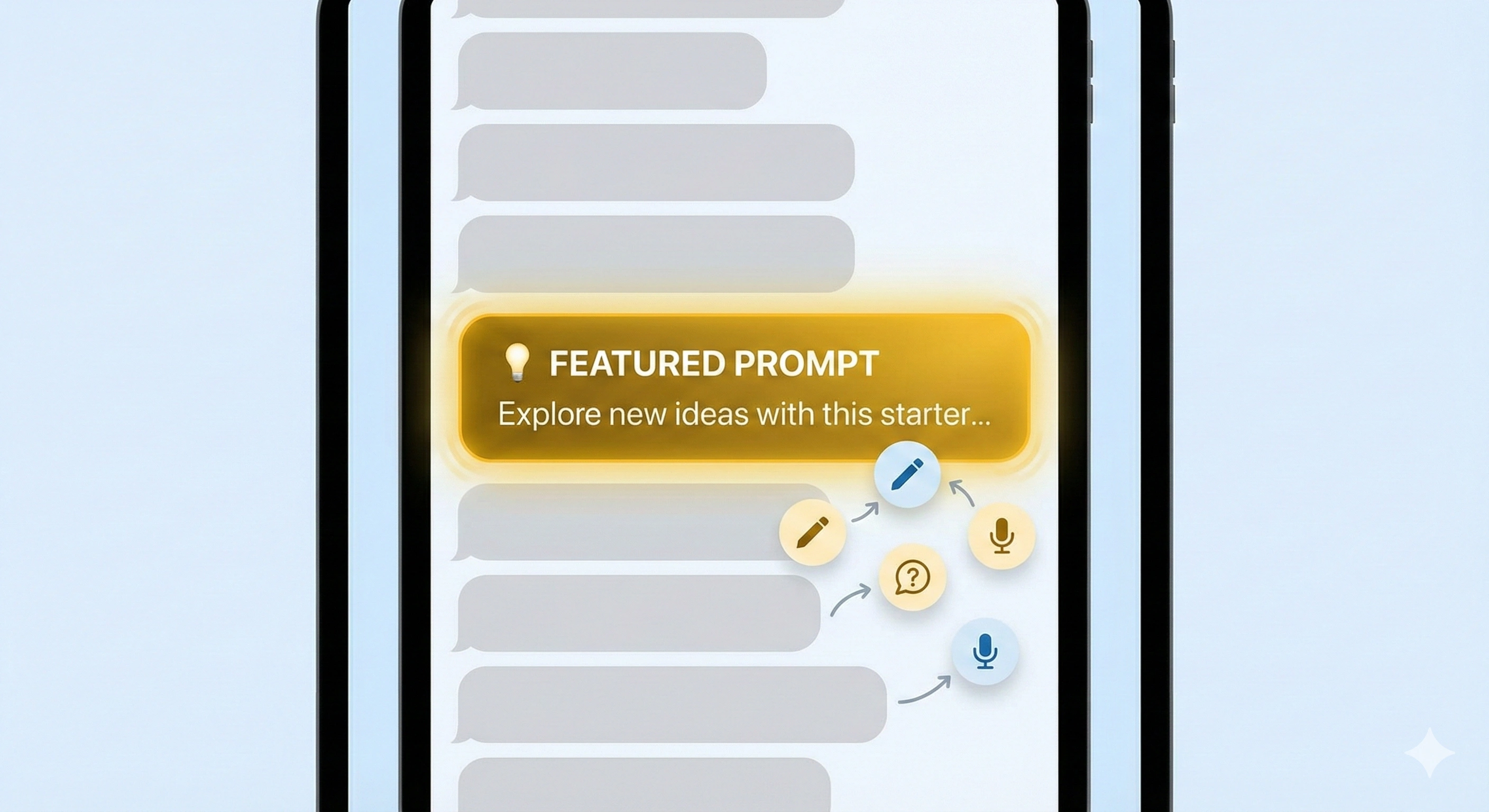
Chatbot ads sit inside prompt-shaped conversations, changing context, measurement, and safety needs.
Key takeaways
- Treat chatbot ads as a distinct, prompt-driven channel with different context and trust dynamics than feeds or search.
- Plan pilots around baselines, holdouts, and incrementality, not just platform-reported attribution.
- Do not rely on the model as the operational source of truth; use external QA and logging to validate delivery and rendering.
- Run creative QA across common prompt archetypes and define brand-safety rules around “prompt adjacency,” including escalation paths.
What changed: chatbot ads as a new, conversational placement
A chat UI is a different ad environment because the user experience is conversational and the surrounding context is prompt-driven. In feeds and many social placements, the user scrolls through a consistent content format. In search, the query defines intent and the page layout is relatively standardized. In a chatbot flow, the user’s prompt and the ongoing conversation shape what the ad sits next to and how it is interpreted.
This changes how context formation works. A single campaign can appear in many different conversational situations, and those situations can vary widely depending on what the user asks. That variability can create new edge cases where a perfectly acceptable message in one prompt context feels confusing, irrelevant, or risky in another.
It also changes trust sensitivity. Chat experiences can feel more personal than a feed, and users may interpret the assistant’s responses as more guided or “endorsed” than a typical ad slot. That makes mismatches between the ad message and the conversational context more likely to trigger negative reactions, especially if the ad appears to answer the prompt incorrectly or too aggressively.
For marketers, the practical implication is that chatbot ads should be treated as a distinct channel, not as a reskin of search or paid social. That means separate planning assumptions, separate measurement expectations, and separate creative QA that accounts for how copy renders inside chat flows.
Why it matters: transparency gaps and operational truth risks
Chatbot advertising introduces a specific operational risk: relying on the model itself for accurate delivery, placement, or “where did my ads run?” answers can be unreliable. If the interface can describe or summarize activity, that does not automatically make it a dependable system of record for reporting integrity or troubleshooting.
To protect reporting integrity, set up external QA and logging processes designed to verify what was served and where. Even a basic workflow helps, such as capturing examples of impressions, documenting the prompts that preceded the ad, recording timestamps, and keeping a consistent naming convention so stakeholders can reconcile observations with internal tracking and analytics.
This is also where expectation-setting matters. In early pilots, measurement can be noisier than teams are used to with last-click platform reporting. When the surrounding conversation is dynamic, shifts in prompt mix can change outcomes without any change in targeting or creative. Stakeholders should understand that early results are often directional, and that the main goal is to learn whether there is measurable lift under controlled test conditions.
Operationally, define who owns verification, who owns escalation, and what qualifies as a measurement or brand-safety incident. The tighter the workflow, the faster you can separate “creative issue,” “context issue,” “tracking issue,” and “normal variance.”
Pre-launch setup: define baselines and success criteria before you buy scale
Before spending scales, define baselines and success criteria that reflect what you can realistically measure in a pilot. Baselines can include performance expectations such as conversion rates (where measurable), assisted conversions, and brand metrics you already track consistently. The goal is not to predict perfect outcomes but to avoid ambiguous interpretations after the test is live.
Align internally on what “good” looks like for a pilot versus a scaled channel. For a pilot, “good” may mean you can confidently validate incrementality, confirm that creative renders correctly across chat flows, and demonstrate that brand-safety controls are workable. For a scaled channel, “good” typically means repeatable results, stable performance within expected ranges, and a measurement and QA system that can keep up with volume.
Reporting hygiene is a prerequisite. Isolate chatbot ads as a distinct reporting channel in dashboards and internal analyses, rather than blending results into existing search or social groupings. Mixing channels can create misleading comparisons because context formation and user behavior differ, and it makes it harder to detect channel-specific issues like prompt adjacency risks or chat-specific creative rendering problems.
A simple pre-launch checklist can help:
- Define outcomes: primary conversion, secondary conversion, assisted conversion signals, and any brand metrics you will reference.
- Define decision rules: what results trigger iteration, what results justify expansion, and what results require pause.
- Define data hygiene: consistent channel naming, separate reporting views, and a plan to reconcile platform reporting with internal analytics.
Testing design: incrementality-first experiments (holdouts, geo, time-based)
Three incrementality-first patterns: holdout splits, geo splits, and time-based on/off tests.
Because early chatbot ads measurement can be uncertain, prioritize incrementality-first experiments. The objective is to validate lift by comparing exposed versus non-exposed groups using a structured design. Common approaches include holdouts, geo-based experiments, or time-based tests, chosen based on what your business can operationalize without breaking normal operations.
Holdouts can help you estimate what would have happened without the ads. Geo tests can help when audience splitting is difficult, as long as you can manage regional differences thoughtfully. Time-based tests can work when you have stable baselines and can control for seasonality or other major changes, but they require careful interpretation because many factors can shift over time.
Interpreting early results requires restraint. Treat early outcomes as directional and assume they are sensitive to prompt mix shifts. If the types of prompts and conversational situations change, performance can change even when creative and budget are constant. That means you should track not just performance metrics but also context patterns observed during QA and monitoring.
Plan budgets and iterations for learning, not for immediate scale. A practical approach is a sequence of small, structured tests where each iteration answers one or two questions, such as:
- Does exposure produce measurable lift versus a holdout baseline?
- Do outcomes vary materially by prompt archetype or conversation stage?
- Does a revised message reduce confusion or improve alignment in high-risk prompt contexts?
When you do expand, keep the experiment mindset. Increase spend in steps, maintain a consistent measurement approach, and avoid changing multiple variables at once (creative, targeting, landing experience, and measurement configuration) if you want to preserve learnings.
Creative QA + brand safety in chat flows: control the message, control the adjacency
.gif)
QA tests how creative behaves across prompt types; brand safety evaluates the resulting adjacency risk.
Creative QA for chat placements is not only about proofreading. It is about ensuring the message stays clear and accurate when displayed in a conversational interface where users may interpret ads as part of an interactive exchange.
A practical creative QA checklist for conversational ads includes:
- Clarity in short snippets: ensure the core value proposition is understandable quickly, without relying on surrounding content to explain it.
- Avoid claims needing missing context: if a claim requires additional qualifiers, ensure the message does not become misleading when seen briefly in a chat flow.
- Consistent disclaimers: if your category requires disclosures or qualifiers, confirm they are present, consistent, and readable in the chat UI format.
Validate creative across common prompt archetypes. The goal is to test how copy renders and how it feels when it appears after different types of user prompts, including prompts that are informational, comparison-oriented, troubleshooting-oriented, or emotionally charged. Document what you see so creative decisions are based on observed behavior in realistic chat flows, not on assumptions.
Brand safety in chat requires a framework built around “prompt adjacency,” meaning the categories of prompts and conversational contexts your ads may appear next to. Map adjacency categories that matter to your brand, define what is acceptable, and define what is excluded. Then set thresholds that trigger action, such as pausing a creative variant, tightening adjacency exclusions, or escalating an incident for review.
Just as important, document escalation paths. When an issue arises, teams should know who evaluates it, what evidence is needed (prompt, timestamp, screenshot or capture, creative version), and what the response options are. The faster the loop, the easier it is to prevent repeat issues and protect user trust in a trust-sensitive environment.
Sources
Frequently asked questions
How do ChatGPT ads differ from search ads and paid social placements?
Chatbot ads appear inside a conversational interface where context is shaped by the user’s prompt and the ongoing dialogue, not a stable feed or a standardized search results page. That prompt-driven context can shift quickly, which can change how the same message is interpreted. Because chat experiences can be trust-sensitive, mismatched context or unclear creative can create outsized negative reactions compared with more familiar placements.
What are the biggest measurement limitations for ChatGPT ads?
The main limitations are higher noise and transparency gaps relative to the expectations many teams have from last-click platform reporting. Prompt mix shifts can affect performance in ways that look like targeting or creative changes. There is also an operational truth risk if teams rely on the model interface to explain exactly where ads ran or what was served, so external QA and logging should be used to validate delivery and rendering.
How should I design an incrementality test for chatbot ads (holdout, geo, or time-based)?
Start with an incrementality-first design that compares an exposed group to a non-exposed baseline using a structure your organization can execute cleanly. Use holdouts when you can split audiences reliably, geo tests when regional splitting is more practical, or time-based tests when you have stable baselines and can manage time-related confounds. Keep early tests small, treat results as directional, and avoid changing multiple variables at once so you can attribute learnings to specific changes.
What does a creative QA and brand-safety checklist look like for conversational ads?
A conversational creative QA checklist focuses on clarity in short snippets, avoiding claims that become misleading without missing context, and keeping disclaimers consistent and readable in the chat UI. Brand safety should be organized around prompt adjacency: define categories of prompts and contexts where you will allow or exclude placement, set thresholds for action, and document escalation paths with clear evidence requirements such as the prompt, timestamp, and the creative version that appeared.
.webp)
.webp)
.webp)
.webp)
.webp)