Super Bowl LIX Ads: What AI’s Big Moment Means for Creative Effectiveness and Validation
.webp)
Super Bowl LIX put AI brands in a brighter spotlight than many viewers were used to, while many other advertisers leaned into familiar, low-risk devices like celebrities, patriotic cues, and recognizable music. This matters because “AI” can attract attention and also trigger skepticism, and safe-zone sameness can reduce backlash risk while weakening distinctiveness and brand linkage. The practical response is to validate AI framing and trust cues before launch, including whether “AI-as-assistant” messaging feels helpful or doubtful to the intended audience. In measurement, separate cultural chatter about AI, celebrities, or music from brand linkage and outcomes so teams do not optimize for conversation that does not translate.

Super Bowl-scale attention amplifies both AI skepticism and safe-zone sameness—validation separates buzz from business impact.
Key takeaways
- Super Bowl LIX highlighted increased AI brand visibility and a tendency to frame AI as an assistive tool rather than a replacement.
- Many ads leaned on safe-zone familiarity (celebrities, patriotic iconography, recognizable music), which can reduce risk but also increase sameness.
- Creative effectiveness should be defined beyond attention, including trust, authenticity, audience resonance, and brand linkage.
- Pre-launch testing and reporting should separate cultural chatter from business-relevant outcomes and diagnose audience mismatch signals.
What changed at Super Bowl LIX: AI brands on the biggest stage
One of the notable signals from Super Bowl LIX was the increased visibility of AI-related advertising. When AI brands show up in one of the most expensive, most watched ad environments, it raises the bar for both clarity and credibility, because the audience is broad and the scrutiny is intense.
A common positioning pattern is to present AI as a productivity or inspiration tool instead of a replacement for people. That framing can make AI feel more accessible, because it implies assistance, speed, and enablement rather than displacement.
The implication for Super Bowl LIX ad creative effectiveness is that acceptance often depends on framing and trust cues. If the ad leaves viewers unsure what the AI does, who it is for, or how it fits into real life, attention may not convert into positive sentiment or brand understanding. For high-stakes placements, the core job is not only to be noticed, but to be believed and understood.
- Practical checkpoint: Can a viewer accurately summarize the benefit in one sentence without overstating it?
- Trust checkpoint: Does the creative communicate the role of AI in a way that feels helpful and bounded, rather than vague or sweeping?
Why safe-zone creative dominated: familiarity as brand-safety insurance
Another clear pattern was how many advertisers leaned into familiar, high-recognition creative devices. Digiday highlighted “in/out” signals that included star power, patriotic iconography, and needle drops. These choices are often less about innovation and more about predictability: they are known to draw attention and feel culturally legible in a short runtime.
In a polarized climate, familiarity can act as brand-safety insurance. Celebrities, recognizable songs, and broad patriotic cues can reduce the chance that a message is interpreted as too niche, too technical, or too controversial. They can also make an ad easier to watch in a social setting, where the Super Bowl is as much a shared experience as it is an ad showcase.
The tradeoff is meaningful. Safe-zone tactics can reduce alienation risk, but they can also increase the odds of a generic or inauthentic read, especially when multiple brands use similar devices. If viewers remember the celebrity or the song but not the brand or the point, the ad may win attention while losing distinctiveness.
- When safe-zone familiarity helps: When the brand is clearly linked, the story is simple, and the familiar device supports the message rather than replacing it.
- When it hurts: When the device becomes the main takeaway, or when the tone feels borrowed and mismatched to the brand.
Creative effectiveness lesson: attention is not the same as resonance
Super Bowl ads are built for attention by default, but effectiveness requires more than being talked about. An AI theme can be high-attention and high-skepticism at the same time. People may share or debate an AI claim without accepting it, trusting it, or associating it with the brand in a durable way.
Similarly, familiarity devices like celebrities and recognizable music can lift immediate attention, but they can blur distinctiveness and brand linkage. If the execution feels interchangeable, viewers may struggle to connect the memory of the ad to the correct advertiser, especially in a crowded lineup.
To avoid optimizing for the wrong thing, define what “effective” means for the moment. For many brands, especially those introducing AI or leaning on AI language, a strong definition includes:
- Resonance: Does the message feel relevant and meaningful to the intended audience?
- Trust: Does the ad reduce uncertainty, or does it raise doubts?
- Authenticity: Does the creative feel aligned with the brand, or does it feel like trend-chasing?
- Brand linkage: Do viewers correctly connect the story, device, and benefit to the right brand?
This definition also creates clearer creative direction. If trust and linkage are critical, the ad needs more than spectacle. It needs simple, credible communication and a distinct brand signature that survives the noise.
Watch Squarespace's ad:
Watch Claude's ad:
What to test next: a pre-launch validation checklist for high-stakes moments
Pre-launch tests: framing route, trust diagnostics, and whether familiarity devices steal brand linkage.
High-stakes moments amplify both upside and downside. Pre-launch creative testing can help teams choose the right AI framing, calibrate familiarity devices, and detect audience mismatch signals early, when fixes are still possible.
1) Compare AI-forward messaging vs. AI-background utility messaging
Test at least two routes: one where AI is the headline and one where AI is present but positioned as background utility. The goal is not to “hide” AI, but to learn whether your audience prefers AI as the explicit value proposition or as the enabling layer behind a human benefit.
- Does AI-forward messaging increase interest but reduce trust?
- Does AI-background utility increase clarity and comfort, or does it make the promise feel less distinctive?
2) Measure trust cues, authenticity, and “feels machine-made” perceptions
Because AI can trigger skepticism, include diagnostics that capture how the ad feels, not just whether it is liked. In addition to standard questions, explicitly measure:
- Trust cues: Whether the ad feels credible and grounded.
- Authenticity: Whether the message feels consistent with the brand’s role.
- Mismatch signals: Whether it “feels machine-made” in a way that reduces confidence or emotional connection.
These are not abstract metrics. They help you identify when the creative is producing the wrong kind of reaction, especially among the audience segment you most need to persuade.
3) Diagnose “familiarity vs. distinctiveness” for celebrity and nostalgia choices
When using celebrities, patriotic cues, or recognizable music, test whether the device is improving brand linkage or stealing it. A simple way to structure pre-launch validation is to separate:
- Device recall: Do people remember the celebrity or song?
- Brand recall and linkage: Do they correctly attribute the ad and connect it to the intended benefit?
- Interpretation: Do they understand what the brand is saying, not just what the ad showed?
If a familiar device improves enjoyment but weakens linkage or makes the ad feel generic, consider adding clearer brand cues earlier, simplifying the story, or reducing reliance on the borrowed attention.
Measurement and reporting: separate chatter from outcomes
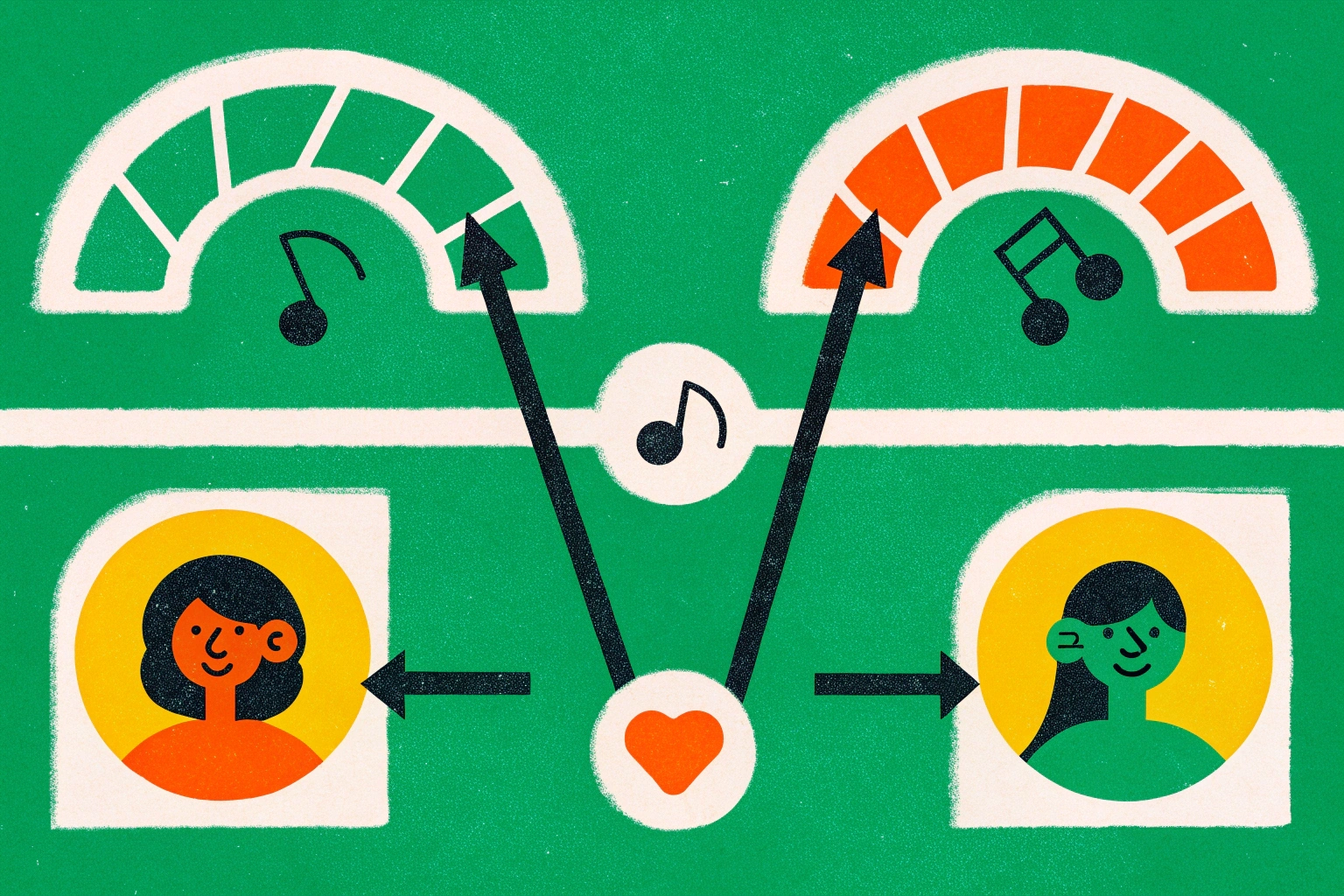
Report conversation separately from attribution and outcomes to avoid optimizing for noise.
Super Bowl reporting can be distorted by cultural conversation. People naturally talk about AI, celebrities, and music. That conversation can be valuable, but it is not the same as business-relevant impact.
Create reporting views that split cultural chatter from brand linkage and outcomes. For example, treat “what people referenced” (AI, celebrity, soundtrack) as one layer, and treat “what they learned, believed, and attributed” as another.
- Cultural conversation view: What elements were discussed, shared, or quoted?
- Brand linkage view: Did the audience connect the ad to the right brand and message?
- Outcomes view: What changed in resonance, trust, and intent-relevant signals within your measurement framework?
Before launch, use consistent creative QA and risk review for polarizing signals. In a widely viewed event, small ambiguities can become big misinterpretations. A structured review helps ensure the ad communicates the intended role of AI, the intended tone, and the intended brand signature.
After the game, run a post-mortem that separates what drove resonance from what merely drove talk. If the celebrity and music are remembered but the brand is not, that is an actionable learning for future creative strategy. If AI framing increased conversation but decreased trust, that is a directional signal to recalibrate messaging rather than simply amplifying what was loud.
Sources
Frequently asked questions
What made Super Bowl LIX different for AI advertising?
Super Bowl LIX featured more visible AI-related advertising, signaling that AI brands are willing to compete on the biggest stage. A common approach was framing AI as a productivity or inspiration tool rather than a replacement, which puts extra emphasis on clear benefit communication and trust cues.
Why did so many Super Bowl LIX ads rely on celebrities and familiar music?
Many advertisers leaned into safe-zone familiarity such as star power and recognizable music because these devices are broadly legible and can feel lower-risk in a high-scrutiny environment. The tradeoff is that heavy reliance on familiar devices can increase sameness and weaken distinctiveness or brand linkage if not handled carefully.
How should marketers test AI messaging to avoid audience skepticism?
Pre-launch, compare AI-forward messaging with AI-background utility messaging and measure trust, authenticity, and mismatch signals. Include diagnostics that capture whether the message feels credible and helpful, and whether it triggers perceptions like “feels machine-made” that can reduce confidence or resonance.
How do you separate cultural buzz from true creative effectiveness after the Super Bowl?
Use reporting that splits cultural conversation (for example, talk about AI, celebrities, or music) from business-relevant measures like brand linkage and outcomes. In a post-mortem, isolate what drove resonance, trust, and correct brand attribution versus what simply generated talk.
.webp)
.webp)
.webp)
.webp)
.webp)