Click-to-Chat Ads: How to Measure Performance When the Click Doesn’t Go to Your Site
.webp)
Click-to-chat ads change the funnel because the click takes someone into a conversation rather than a landing page, so site-centric metrics alone cannot describe performance. To measure well, define what “conversion” means inside the chat, then instrument a conversation event taxonomy (start, qualified intent, handoff, lead, purchase). Add conversation-quality KPIs like intent qualification, resolution, and time-to-value to complement any click metrics. Before scaling, QA the brand agent’s guardrails so inconsistent or noncompliant answers do not distort results, then validate attribution by matching chat events to downstream outcomes and benchmarking against a click-to-site baseline.
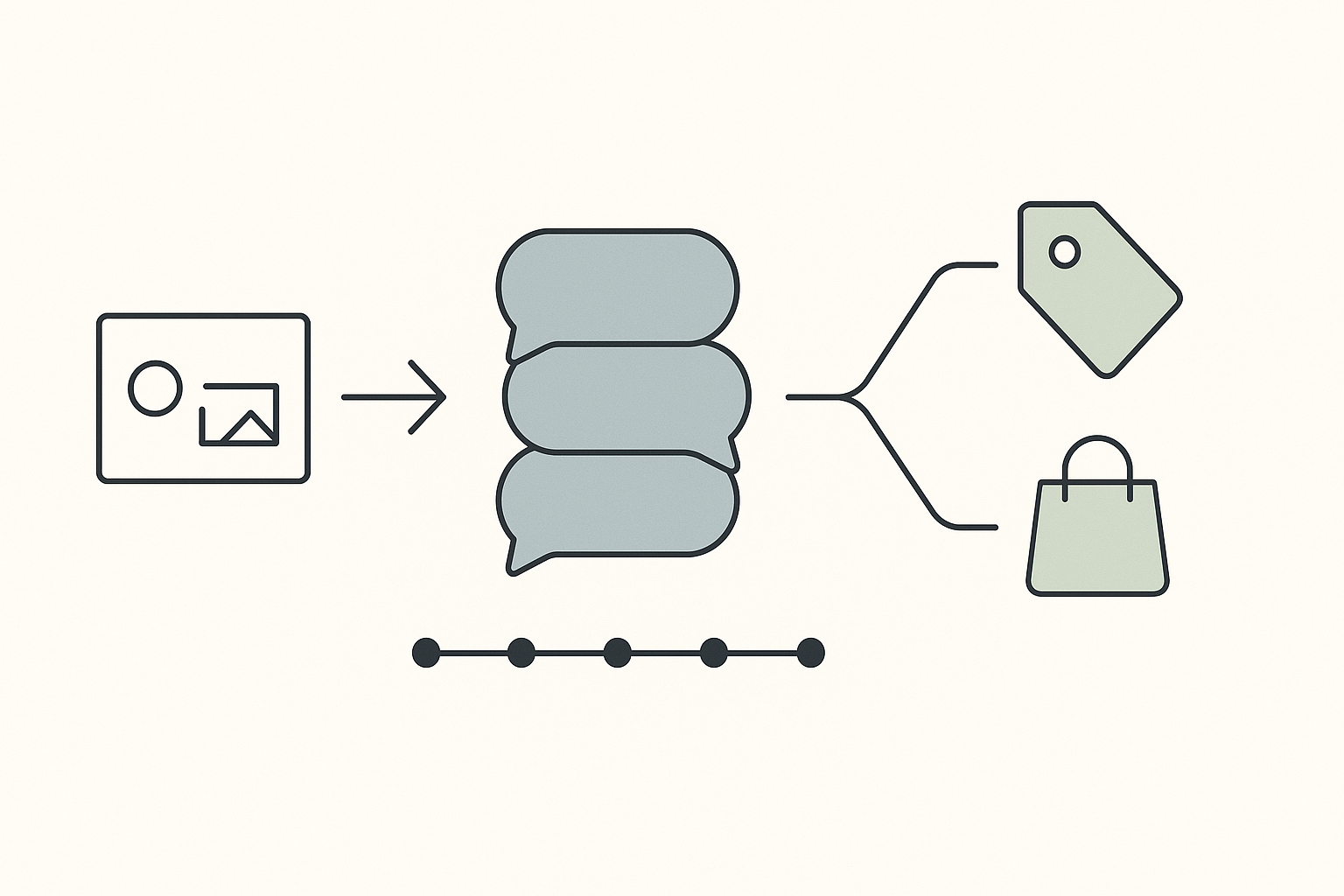
When the click goes to a conversation, measurement needs conversation milestones and downstream outcomes.
Key takeaways
- Click-to-chat requires a KPI stack focused on conversation quality and downstream outcomes, not just clicks.
- A conversation event taxonomy is the foundation for optimization and apples-to-apples comparisons with click-to-site.
- Agent QA and guardrails are measurement prerequisites; inconsistent or noncompliant responses can invalidate results.
- Run parallel tests (click-to-chat vs click-to-site) and evaluate lead quality, not only volume.
What “click-to-chat” changes in the ad funnel
Destination shift: landing page to conversation. With click-to-chat, the ad no longer hands off to a web page where you can rely on familiar signals like landing-page views, scroll depth, and form completions. Instead, the user enters a conversation where the “experience” is the sequence of prompts and responses. Measurement must therefore capture what happens inside the chat and what it leads to outside the chat.
New success criteria: helpful resolution and qualified intent vs page conversion. In a click-to-site flow, success is often defined as completing a page-based goal (submit a form, start checkout, sign up). In a conversation, success may happen earlier or differently, such as the user receiving a helpful answer, expressing qualified intent, or being routed to the right next step. That means you need conversation-specific milestones that represent progress and value.
Risk of paying for low-intent chats if expectations are unclear. If your measurement only counts “conversation starts,” optimization can drift toward cheap volume rather than meaningful outcomes. The practical implication is to define what constitutes a qualified conversation and what downstream actions count as real value, then optimize to those events rather than to the first click alone.
Define conversions inside a conversation (the new KPI stack)
The measurement job is to translate “a good conversation” into observable events and rates. A clean KPI stack separates volume (how many chats happen) from quality (how many of those chats represent qualified intent and produce downstream outcomes).
Core KPIs to track:
- Conversation start rate: how often an ad click results in a chat actually starting.
- Intent qualification rate: how often a conversation reaches a point where the user’s intent is confirmed as relevant.
- Handoff rate: how often the conversation escalates to a human or to a next step that continues the journey.
- Resolution rate: how often the user’s need is addressed within the chat, based on your definition of “resolved.”
- Lead or purchase rate: how often the conversation produces an identifiable lead or a purchase outcome.
Efficiency KPI: time-to-value (first helpful answer). Because the “product” is interaction, speed to the first useful response matters. Track the time from chat start to the first point where the user receives a clearly helpful answer or direction. Use it as a diagnostic for friction, unclear prompts, or agent behavior that delays progress.
Quality lens: lead quality vs lead volume. A conversation can generate many leads that are not actionable. Your KPI stack should include a quality check that reflects downstream usefulness, such as whether leads match your qualification criteria, whether a handoff resulted in a completed booking, or whether a purchase followed. Even if you keep the quality definition simple at first, having a quality lens prevents overvaluing shallow engagement.
Build a conversation event taxonomy for measurement and attribution
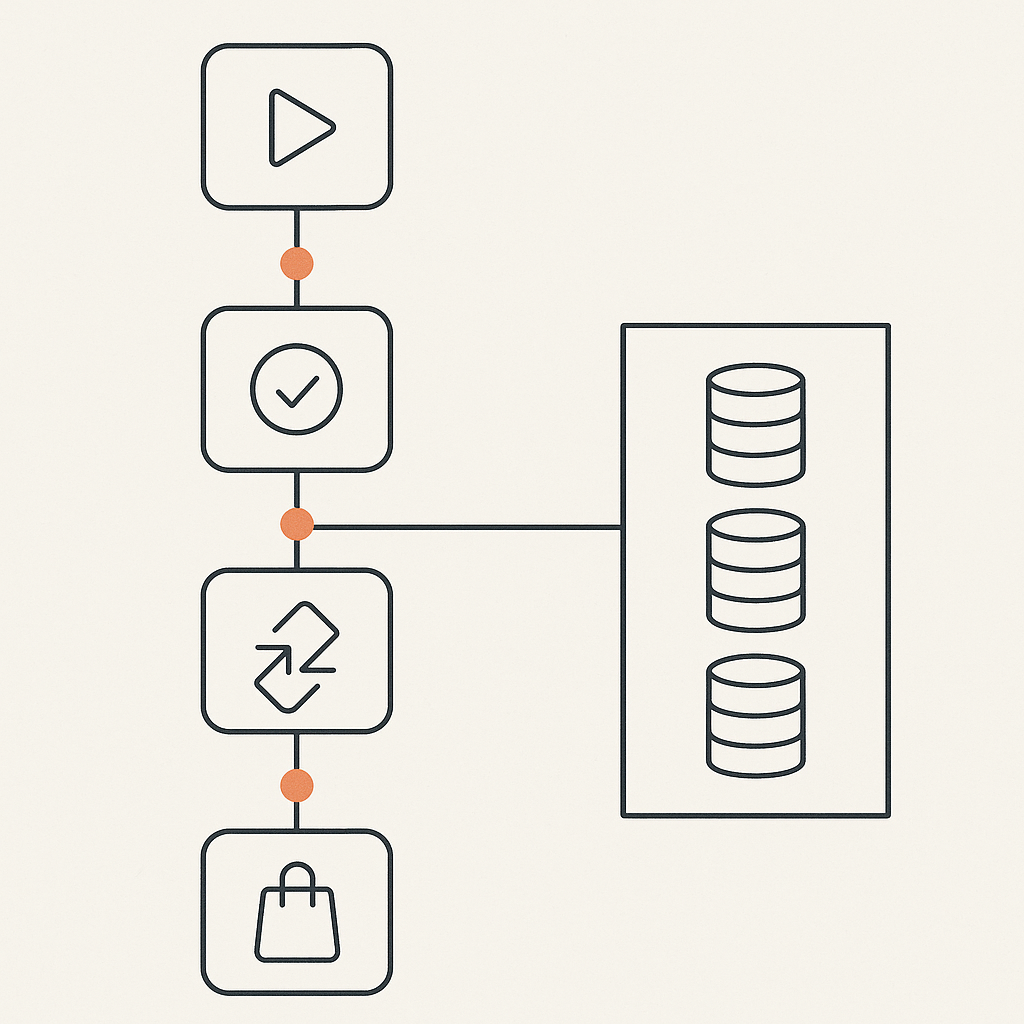
Standardize chat events, then match them to downstream records to validate outcomes.
A conversation event taxonomy is the shared set of event names and definitions you use to instrument chat progress consistently. The goal is to make conversation outcomes measurable, attributable, and comparable across campaigns and destinations.
Event stages to standardize:
- Start: a chat session begins.
- Qualified intent: the user expresses intent that matches your desired outcomes (as you define them).
- Handoff: the conversation routes to human support or to a next step that continues the journey.
- Lead: the conversation produces a lead capture event under your definition.
- Purchase: the conversation is connected to a purchase outcome under your definition.
Mapping: connect chat events to downstream systems for outcome validation. Since value often occurs outside the chat, measurement should map chat-stage events to downstream systems such as CRM records, bookings, or purchases. The key is not to assume the chat event equals business value, but to validate outcomes by matching the conversation’s milestones to what happens next.
Comparability: standardize definitions for click-to-chat and click-to-site benchmarking. To compare destinations, you need consistent meaning. For example, a “qualified intent” in chat should correspond to an equivalent stage in a click-to-site funnel (like reaching a qualification step or a high-intent action). Without standardization, one path can look better simply because it counts progress differently.
Practical implementation guidance:
- Write one sentence definitions for each event so analysts and operators interpret them the same way.
- Decide which events are required for reporting and which are optional diagnostics.
- Validate that event timestamps and IDs can support matching to downstream outcomes.
QA guardrails for the brand agent before scaling spend
Measurement depends on consistency. If the agent behaves unpredictably, it becomes hard to interpret performance changes because results may be driven by agent variance rather than creative, audience, or offer.
Claims and compliance: approved vs prohibited statements. Before spending heavily, define what the agent can say and what it cannot. QA should confirm that the agent stays within approved claims and avoids prohibited statements. This is both a safety step and a measurement step, because policy violations or inconsistent claims can change user behavior and invalidate comparisons across tests.
Safety behaviors: refusal handling, prohibited topics, escalation to human support. QA should include scenarios where the agent must refuse, redirect, or escalate. The point is not only to prevent unsafe outputs, but also to ensure the conversation still reaches a coherent next step when the agent cannot answer. From a measurement perspective, you want these behaviors to be predictable enough that funnel stages like “handoff” have stable meaning.
Offer consistency: ensure consistent logic for offers and pricing if referenced. If the conversation references offers or pricing, QA for consistency. Inconsistent outputs can create artificial swings in conversion-related events, making it difficult to judge whether a campaign change improved performance or simply changed what the agent told users.
A lightweight QA checklist you can run repeatedly:
- Does the agent deliver consistent answers to the same core questions?
- Does it avoid making unapproved claims?
- Does it handle refusals and prohibited topics in a consistent way?
- Does it escalate cleanly when the user needs a human?
- Does it keep offers and pricing logic consistent when mentioned?
Pre-launch test plan: compare click-to-chat vs click-to-site cleanly
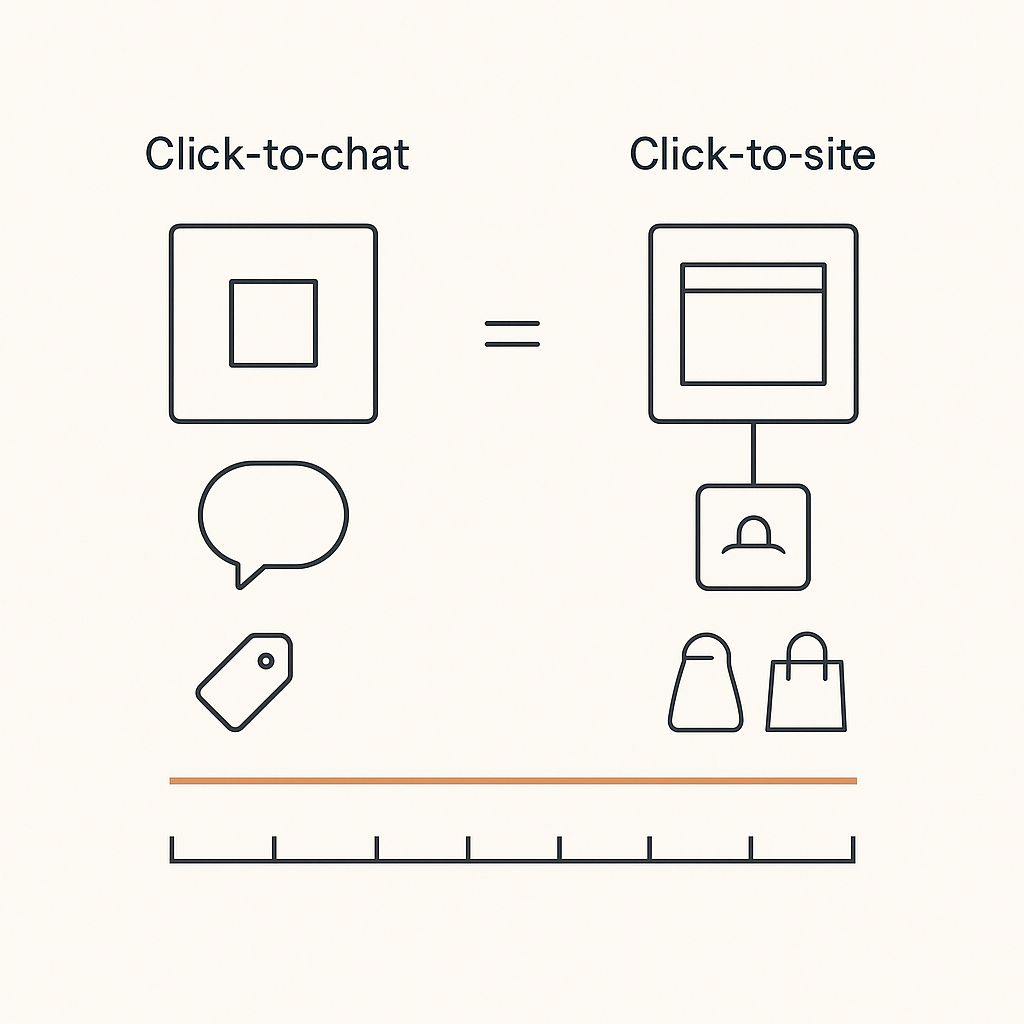
Run both destinations in parallel and compare using the same outcome definitions and time window.
To decide whether click-to-chat is working, you need a comparison that isolates the destination as the primary difference. A pre-launch test plan helps you avoid false conclusions driven by mismatched creative, audience, or tracking gaps.
Parallel test design: run both destinations side-by-side. Run click-to-chat and click-to-site at the same time, then compare using the same reporting windows. This creates a clearer baseline and reduces the risk that changes in demand or seasonality drive the result.
Control variables: hold creative constant where possible. Use the same or as-similar-as-possible creative and messaging so the primary variable is the destination experience. Where you must change copy to set expectations for chat, keep the change minimal and document it so you can interpret results correctly.
Measurement validation: confirm event firing and downstream matching; evaluate lead quality outcomes. Before judging performance, confirm that chat events are firing as defined in your taxonomy and that they can be matched to downstream outcomes like CRM entries, bookings, or purchases. Then evaluate outcomes using both volume and quality signals, so you do not overvalue conversation starts if qualified intent and downstream results do not follow.
A practical pre-launch measurement checklist:
- Verify the event taxonomy is implemented (start, qualified intent, handoff, lead, purchase).
- Confirm each event is recorded reliably and can be audited.
- Validate matching from chat events to downstream outcomes where applicable.
- Define how you will compare click-to-chat vs click-to-site using standardized stage definitions.
- Include a lead quality review step, not just lead counts.
Sources
Frequently asked questions
How do you measure click-to-chat ads without a landing page?
Measure performance inside the conversation using a defined event taxonomy and KPI stack. Track milestones such as conversation start, qualified intent, handoff, lead, and purchase, then validate outcomes by mapping those chat events to downstream systems like CRM records, bookings, or purchases. Use the same standardized stage definitions to benchmark against click-to-site campaigns.
What KPIs matter most for conversational ads?
Use a mix of volume, quality, and efficiency KPIs: conversation start rate, intent qualification rate, handoff rate, resolution rate, and lead or purchase rate. Add an efficiency metric like time-to-value (time to the first helpful answer). Evaluate lead quality alongside lead volume to avoid optimizing toward low-intent conversations.
What is a conversation event taxonomy and how do you build one?
A conversation event taxonomy is a standardized set of chat events and definitions that represent funnel progress. Build it by defining stages such as start, qualified intent, handoff, lead, and purchase, then instrument those events consistently. Finally, map them to downstream outcomes in systems like CRM, bookings, or purchases so you can validate attribution and compare click-to-chat to click-to-site using equivalent stages.
How do you QA a brand AI agent before sending paid traffic to chat?
QA the agent’s guardrails and consistency before scaling spend. Test for compliance with approved versus prohibited statements, verify safe behaviors like refusal handling and escalation to human support, and ensure consistent logic for any offers or pricing referenced. Consistent behavior is a prerequisite for trustworthy measurement because inconsistent responses can distort conversion rates and downstream outcomes.